
When Should You Consider Virtual Mental Health Support for Anxiety or Depression?
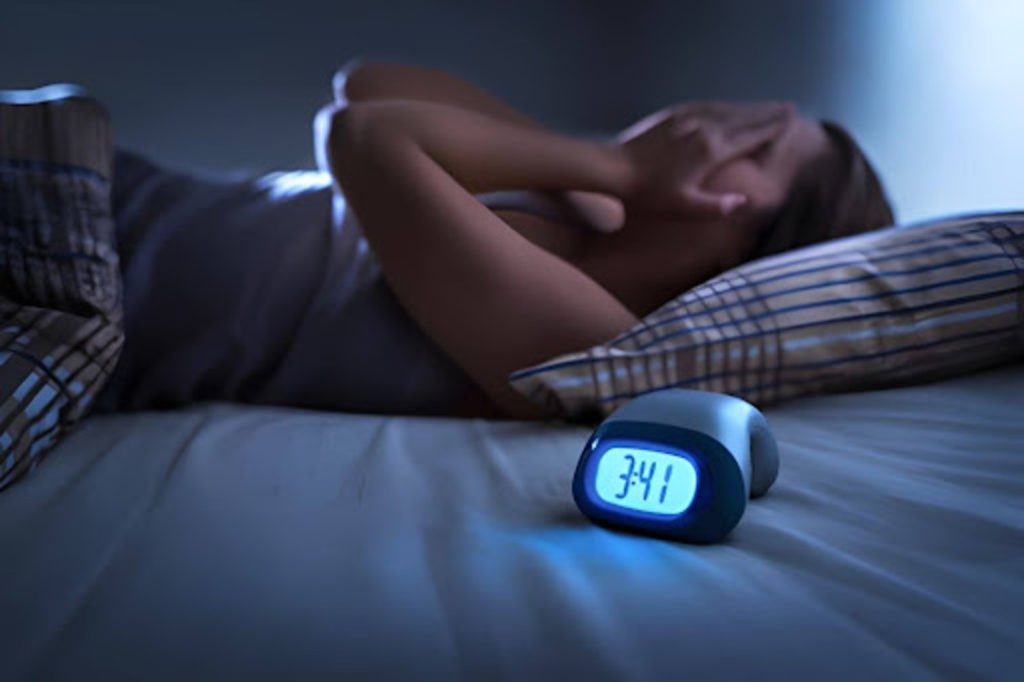
Anxiety and depression can affect the way you think, feel, work, sleep, communicate, and handle daily responsibilities. While everyone experiences stress, sadness, worry, or emotional exhaustion from time to time, ongoing symptoms may be a sign that professional support could help. Virtual mental health support may be a good option when anxiety or depression begins to interfere with your quality of life, relationships, productivity, or ability to manage everyday routines.
You may want to consider virtual mental health support if you feel anxious most days, constantly overthink situations, struggle with racing thoughts, or feel unable to relax. Anxiety can also show up physically through muscle tension, headaches, stomach discomfort, restlessness, trouble sleeping, or a fast heartbeat. If these symptoms happen often or make it harder to focus, work, socialize, or feel calm, speaking with a mental health professional through a secure online appointment may help you better understand what you are experiencing.
Virtual care may also be helpful if you are dealing with symptoms of depression. This may include persistent sadness, low motivation, loss of interest in activities, changes in appetite, low energy, difficulty concentrating, feelings of guilt or hopelessness, or sleeping too much or too little. Some people continue functioning on the outside while feeling emotionally drained inside. If your mood has changed for more than a short period or you feel like you are just pushing through each day, virtual mental health support can provide a more accessible way to start getting help.
One reason people choose virtual support is convenience. It can be difficult to schedule in-person visits when you are managing work, school, family responsibilities, transportation issues, or limited local provider availability. Virtual appointments allow patients to connect with qualified professionals from home or another private setting. This can make care feel less overwhelming, especially for people who feel anxious about going to an office or sitting in a waiting room.
Virtual mental health support may include therapy, counseling, coping strategies, lifestyle guidance, follow-up care, and medication management when appropriate. A provider can help identify patterns, create a treatment plan, and recommend next steps based on your symptoms, history, and goals. For many patients, consistent support can make it easier to build healthier coping skills, manage stress, improve communication, and feel less alone.
You should also consider support if anxiety or depression is affecting your relationships, job performance, school responsibilities, sleep, self-care, or ability to enjoy life. Waiting until symptoms feel severe is not required. Getting help early can make it easier to understand your emotions and prevent concerns from becoming harder to manage.
However, virtual care is not always the right fit for every situation. If you are experiencing thoughts of self-harm, thoughts of harming others, feeling unsafe, or facing a mental health emergency, seek immediate help by contacting emergency services or a crisis hotline. For non-emergency anxiety or depression concerns, virtual mental health support can be a practical, private, and compassionate way to begin care and receive ongoing guidance.
