
What Is IV Therapy and When Can It Help With Wellness Support?
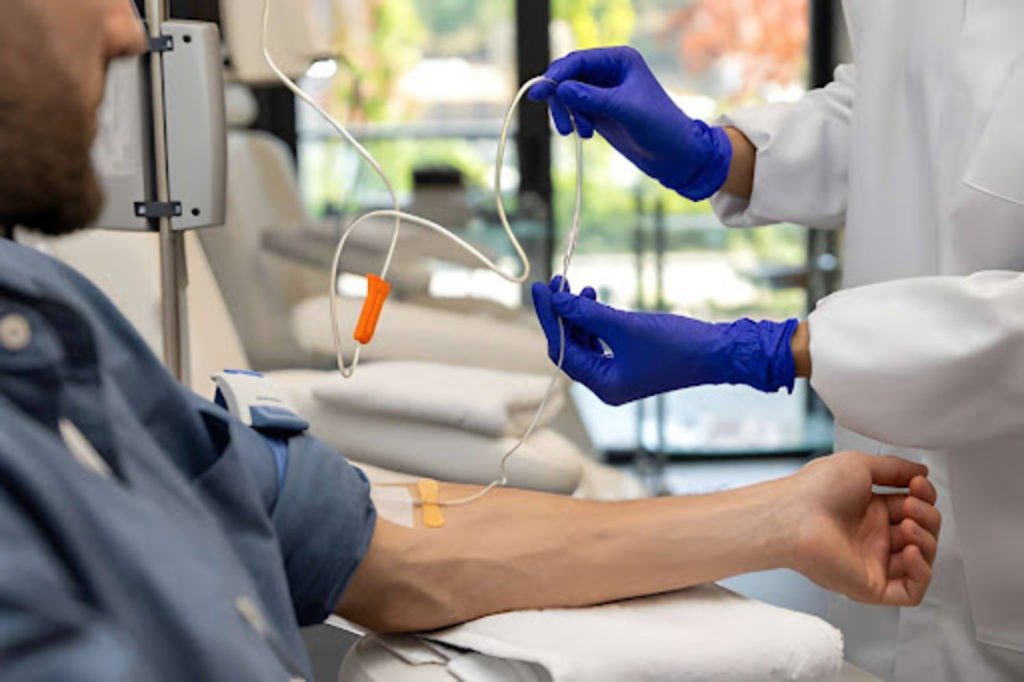
IV therapy, or intravenous therapy, is a method of delivering vitamins, minerals, fluids, and other nutrients directly into the bloodstream. This method allows the body to absorb nutrients faster and more efficiently than oral supplements, which can be limited by digestion and absorption. IV therapy is increasingly used for wellness, energy support, recovery, and general health optimization.
One of the main benefits of IV therapy is rapid nutrient delivery. Because nutrients bypass the digestive system, higher concentrations can be delivered directly to the bloodstream. This can be especially helpful for people with nutrient deficiencies, digestive issues, or those seeking faster recovery from illness, physical exertion, or fatigue.
IV therapy may include hydration, electrolytes, vitamin C, B-complex vitamins, amino acids, and antioxidants. Treatment plans are usually personalized based on a patient’s health goals, lab results, lifestyle, and medical history. A qualified medical provider typically administers IV therapy to ensure safety, correct dosing, and proper monitoring.
Wellness support is a common reason people seek IV therapy. Some individuals use it to help maintain energy levels, support immune function, improve mental clarity, or promote recovery from exercise, travel, or minor illness. Others may use IV therapy to complement a broader health plan that includes proper nutrition, hydration, rest, and physical activity.
IV therapy is not a replacement for a healthy diet or medical care. It works best when combined with balanced nutrition, hydration, exercise, and lifestyle practices. Patients should discuss their goals and medical history with a qualified provider before starting therapy to ensure it is safe and appropriate.
Safety is an important consideration. IV therapy should be administered in a clean, medically supervised environment to reduce the risk of infection, improper dosing, or complications. Providers typically assess patients before treatment, monitor vital signs during infusion, and adjust the plan as needed.
IV therapy can be especially helpful for people experiencing temporary nutrient depletion, fatigue, mild illness recovery, post-travel hydration needs, or high physical demands. It can also be used as part of a wellness strategy for adults seeking support for energy, immune health, or general vitality.
In summary, IV therapy delivers nutrients directly into the bloodstream to support wellness, recovery, and energy. When administered safely by a qualified provider, it can be an effective tool for people looking to optimize their health and supplement their nutrition. Patients should consult a medical professional to determine whether IV therapy fits their individual wellness plan.
