
Menopause, Mood, Sleep, and Energy: How Hormone Imbalance Affects Women
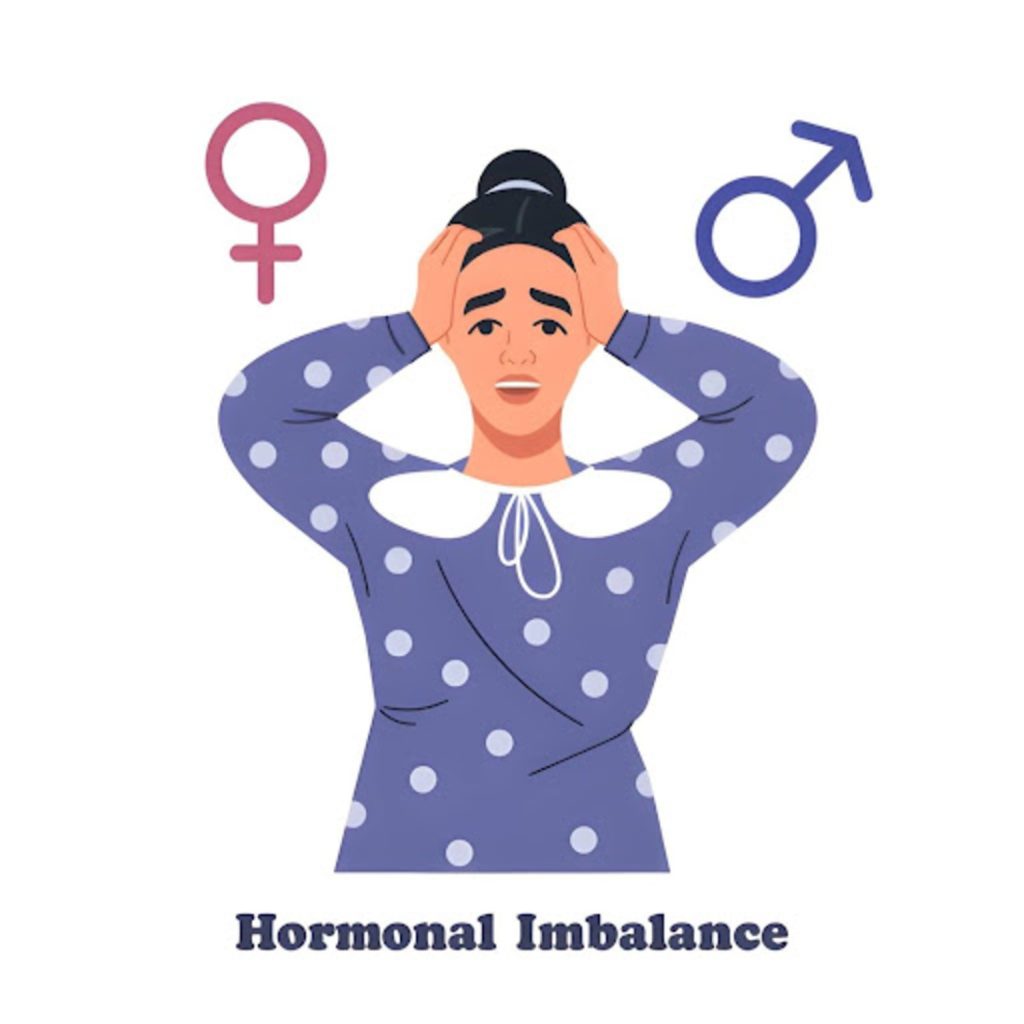
Hormone changes are a normal part of life, especially during perimenopause and menopause. However, when hormone levels shift or become imbalanced, women may experience symptoms that affect mood, sleep, energy, focus, and overall quality of life. These changes can feel confusing because they often develop gradually and may be mistaken for stress, aging, or a busy lifestyle.
Hormone imbalance can involve changes in estrogen, progesterone, testosterone, thyroid hormones, or other important chemical messengers in the body. These hormones help regulate many daily functions, including temperature control, metabolism, emotional balance, sleep cycles, sexual health, and energy production. When levels rise, fall, or fluctuate, the body may respond with symptoms that feel both physical and emotional.
One of the most common stages when women notice hormone-related symptoms is menopause. Before menopause, many women go through perimenopause, a transition period when hormone levels may become less predictable. During this time, periods may become irregular, hot flashes may begin, and sleep may become more difficult. These changes can also affect mood and energy.
Mood changes are a common sign of hormone imbalance. Some women may feel more anxious, irritable, emotional, or easily overwhelmed. Others may notice low motivation, sadness, or difficulty handling stress. While mood changes can have many causes, hormone shifts may contribute by affecting brain chemicals involved in emotional regulation.
Sleep problems are another concern. Hormone changes can make it harder to fall asleep, stay asleep, or wake up feeling rested. Night sweats and hot flashes can interrupt sleep, leaving women feeling tired the next day. Poor sleep can then make mood swings, brain fog, and low energy even worse.
Energy changes can also be frustrating. Some women may feel tired even after getting enough rest. Others may feel less motivated to exercise, work, or keep up with daily routines. Hormone imbalance may affect metabolism, sleep quality, and recovery, which can all influence energy levels.
Brain fog is another symptom many women report during hormonal transitions. This may include trouble concentrating, forgetfulness, slower thinking, or feeling mentally scattered. While it can be concerning, it is a common experience for many women going through hormone changes.
Hormone imbalance can also affect weight, skin, libido, vaginal comfort, and menstrual patterns. Because these symptoms can overlap with other health conditions, it is important to speak with a qualified provider instead of guessing the cause.
A professional evaluation may include a review of symptoms, health history, lifestyle, medications, and lab testing when appropriate. This helps determine whether hormone imbalance is contributing to the symptoms and what treatment options may be safe and suitable.
Menopause and hormone changes do not have to be managed alone. With the right support, women can better understand what is happening in their bodies and explore personalized options to improve comfort, balance, and overall well-being.
